|
|
Latest Articles

New Movies








Foreign








|
![Download Data Analysis with Python and Pandas [2015, ENG] torrent](/images/download_normal.gif)
Torrent Description
Обучающие видео » Компьютерные видеоуроки и обучающие интерактивные DVD » Программирование (видеоуроки)
Data Analysis with Python and Pandas Год выпуска: 2015 Производитель: Udemy Сайт производителя: https://www.udemy.com/data-analysis-with-python-and-pandas/ Автор: Stone River eLearning Продолжительность: 05:56:04 Тип раздаваемого материала: Видеоурок Язык: Английский Описание: Python programmers are some of the most sought-after employees in the tech world, and Python itself is fast becoming one of the most popular programming languages. One of the best applications of Python however is data analysis; which also happens to be something that employers can't get enough of. Gaining skills in one or the other is a guaranteed way to boost your employability – but put the two together and you'll be unstoppable! Become and expert data analyser Learn efficient python data analysis Manipulate data sets quickly and easily Master python data mining Gain a skillset in Python that can be used for various other applications Python data analytics made Simple This course contains 51 lectures and 6 hours of content, specially created for those with an interest in data analysis, programming, or the Python programming language. Once you have Python installed and are familiar with the language, you'll be all set to go. The course begins with covering the fundamentals of Pandas (the library of data structures you'll be using) before delving into the most important functions you'll need for data analysis; creating and navigating data frames, indexing, visualising, and so on. Next, you'll get into the more intricate operations run in conjunction with Pandas including data manipulation, logical categorising, statistical functions and applications, and more. Missing data, combining data, working with databases, and advanced operations like resampling, correlation, mapping and buffering will also be covered. By the end of this course, you'll have not only have grasped the fundamental concepts of data analysis, but through using Python to analyse and manipulate your data, you'll have gained a highly specific and much in demand skill set that you can put to a variety of practical used for just about any business in the world. Tools Used Python: Python is a general purpose programming language with a focus on readability and concise code, making it a great language for new coders to learn. Learning Python gives a solid foundation for learning more advanced coding languages, and allows for a wide variety of applications. Pandas: Pandas is a free, open source library that provides high-performance, easy to use data structures and data analysis tools for Python; specifically, numerical tables and time series. If your project involves lots of numerical data, Pandas is for you. NumPy: Like Pandas, NumPy is another library of high level mathematical functions. The difference with NumPy however is that was specifically created as an extension to the Python programming language, intended to support large multi-dimensional arrays and matrices. [spoiler="Содержание"] Section 1: Introduction to the Course Lecture 1 Course Introduction 04:11 Lecture 2 Getting pandas and fundamentals 09:06 Section 2: Introduction to Pandas Lecture 3 Section intro 00:48 Lecture 4 Creating and Navigating a Dataframe 08:34 Lecture 5 Slices, head and tail 07:59 Lecture 6 Indexing 07:27 Lecture 7 Visualizing The Data 09:19 Lecture 8 Converting To Python List Or Pandas Series 04:15 Lecture 9 Section Outro 01:38 Section 3: IO Tools Lecture 10 Section intro 02:12 Lecture 11 Read Csv And To Csv 09:26 Lecture 12 io operations 05:23 Lecture 13 Read_hdf and to_hdf 08:25 Lecture 14 Read Json And To Json 09:54 Lecture 15 Read Pickle And To Pickle 11:39 Lecture 16 Section Outro 03:52 Section 4: Pandas Operations Lecture 17 Section intro 02:04 Lecture 18 Column Manipulation (Operatings on columns, creating new ones) 07:27 Lecture 19 Column and Dataframe logical categorization 07:12 Lecture 20 Statistical Functions Against Data 07:34 Lecture 21 Moving and rolling statistics 10:00 Lecture 22 Rolling apply 08:54 Lecture 23 Section Outro 03:17 Section 5: Handling for Missing Data / Outliers Lecture 24 Section Intro 03:13 Lecture 25 drop na 06:48 Lecture 26 Filling Forward And Backward Na 11:09 Lecture 27 detecting outliers 12:36 Lecture 28 Section Outro 05:17 Section 6: Combining Dataframes Lecture 29 Section Intro 03:53 Lecture 30 Concatenation 09:15 Lecture 31 Appending data frames 07:06 Lecture 32 Merging dataframes 09:41 Lecture 33 Joining dataframes 09:40 Lecture 34 Section Outro 04:29 Section 7: Advanced Operations Lecture 35 Section Intro 02:48 Lecture 36 Basic Sorting 08:56 Lecture 37 Sorting by multiple rules 08:32 Lecture 38 Resampling basics time and how (mean, sum etc) 10:03 Lecture 39 Resampling to ohlc 07:12 Lecture 40 Correlation and Covariance Part 1 10:03 Lecture 41 Correlation and Covariance Part 2 00:11 Lecture 42 Mapping custom functions 09:21 Lecture 43 Graphing percent change of income groups 07:23 Lecture 44 Buffering basics 10:12 Lecture 45 Buffering into and out of hdf5 10:01 Lecture 46 Section Outro 03:00 Section 8: Working with Databases Lecture 47 Section Intro 01:00 Lecture 48 Writing to reading from database into a data frame 10:22 Lecture 49 Resampling data and preparing graph 07:54 Lecture 50 Finishing Manipulation And Graph 09:32 Lecture 51 Section and course outro 05:27 [/spoiler] Файлы примеров: отсутствуют Формат видео: MP4 Видео: AVC, 1280x720 (16:9), 29.970 fps, Zencoder Video Encoding System ~2 623 Kbps avg, 0.095 b Аудио: 48.0 KHz, AAC LC, 2 ch, ~59.3 Kbps [spoiler="Скриншоты"] 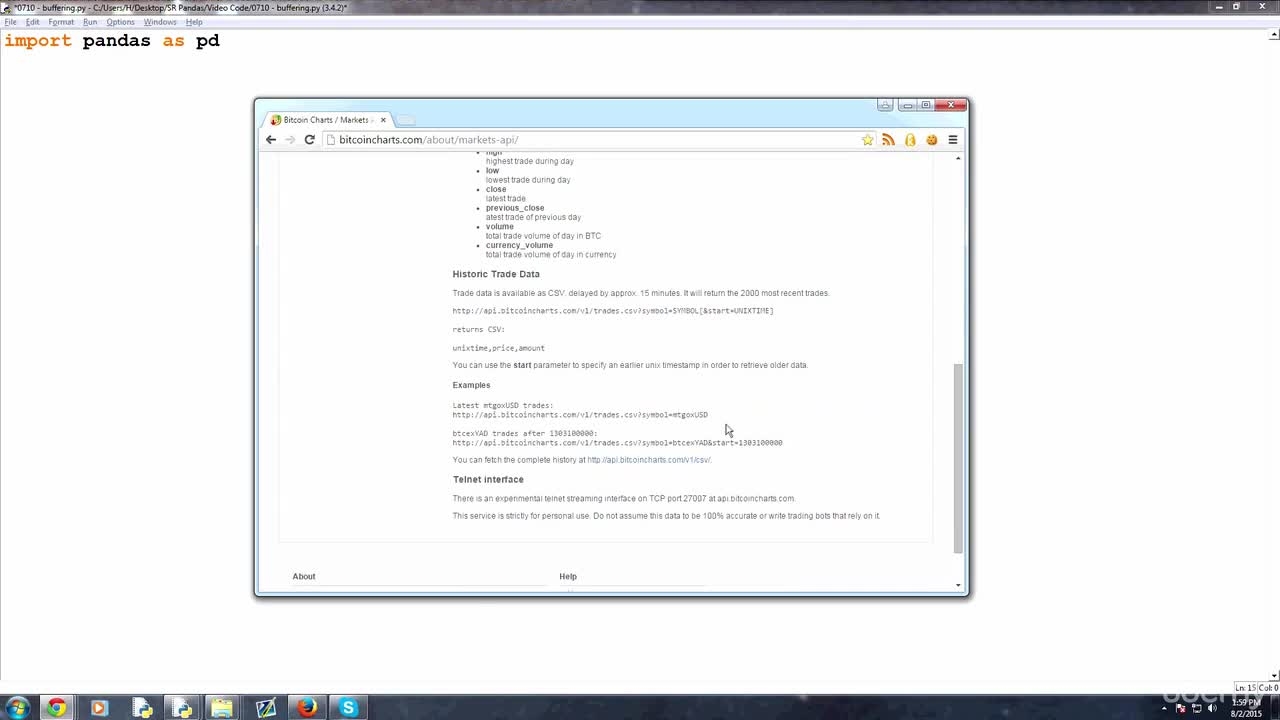  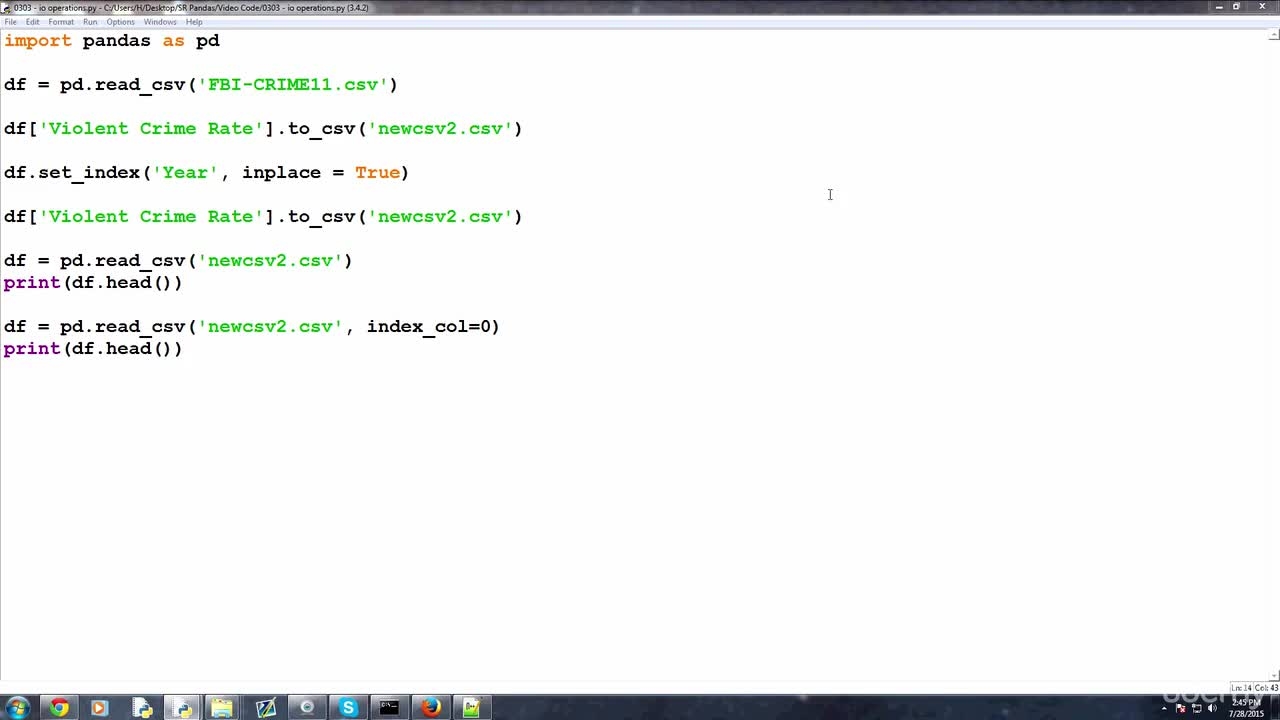  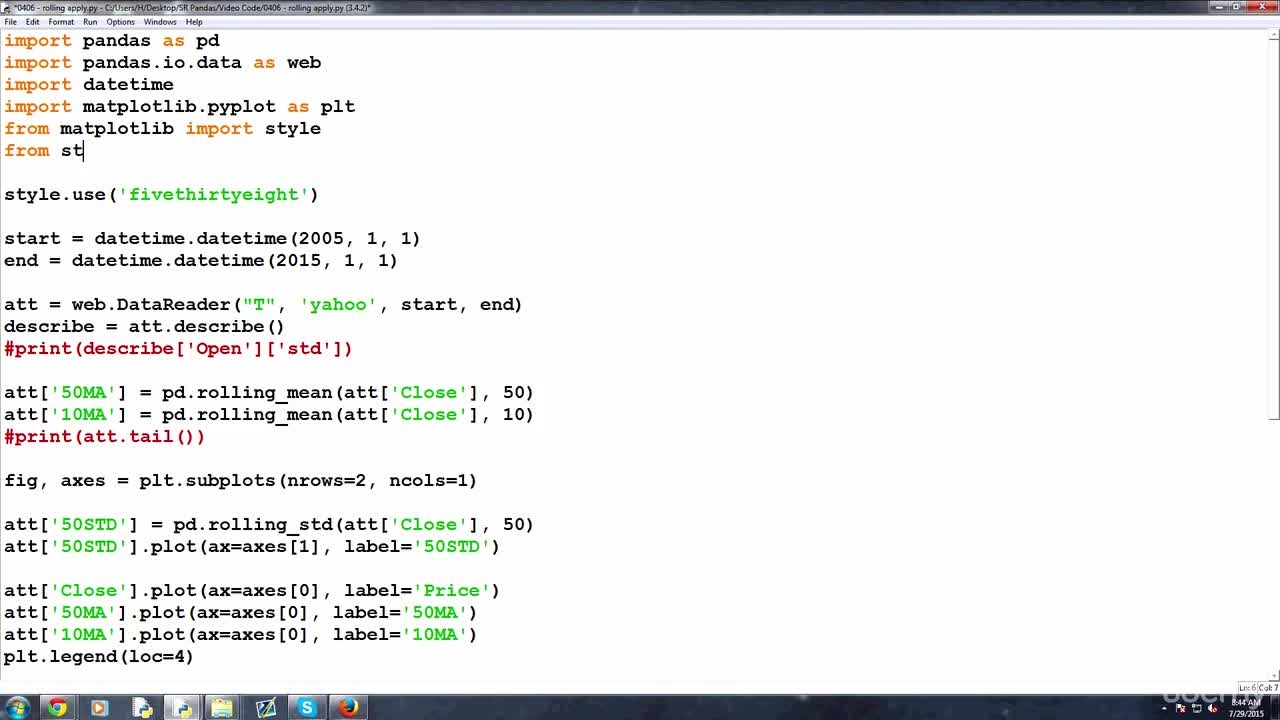  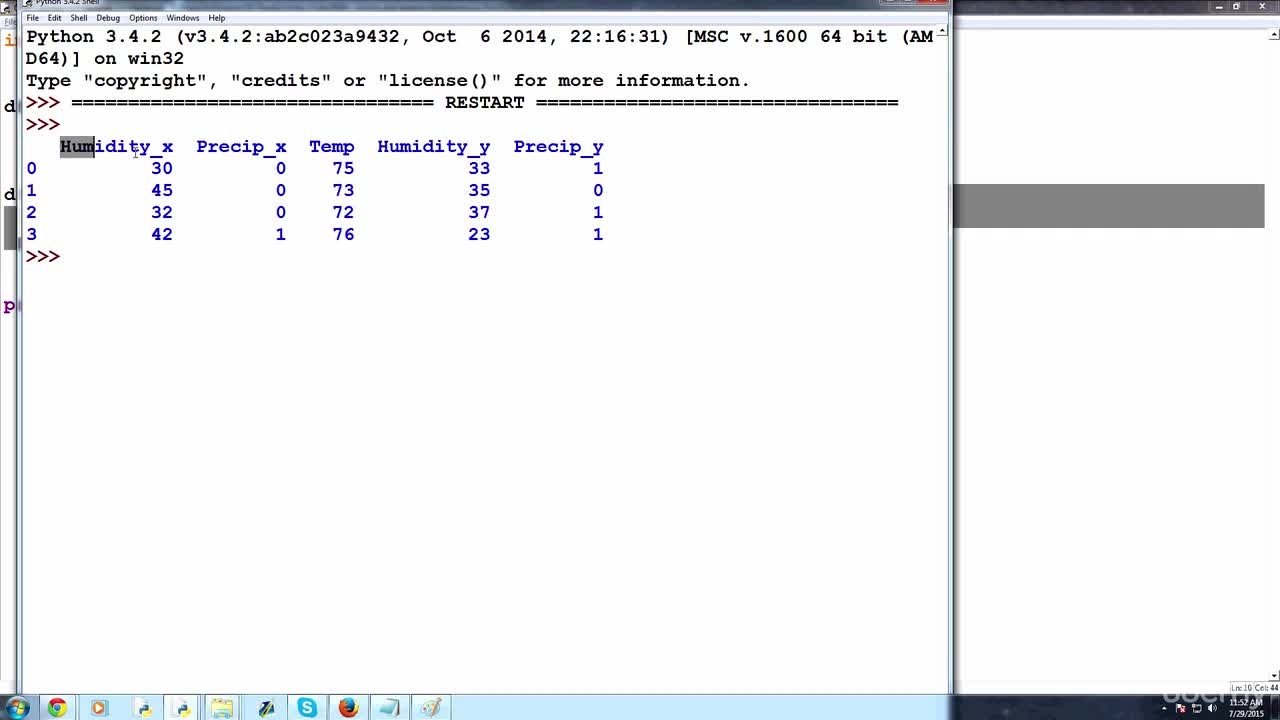   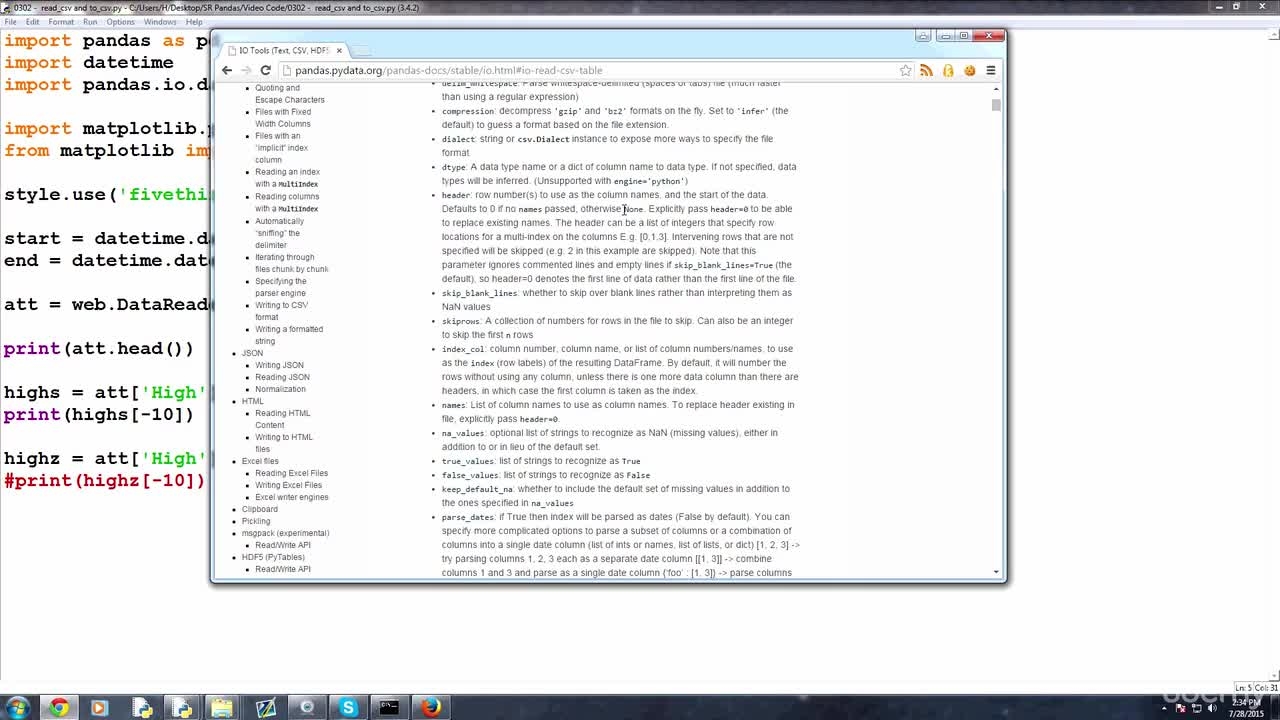  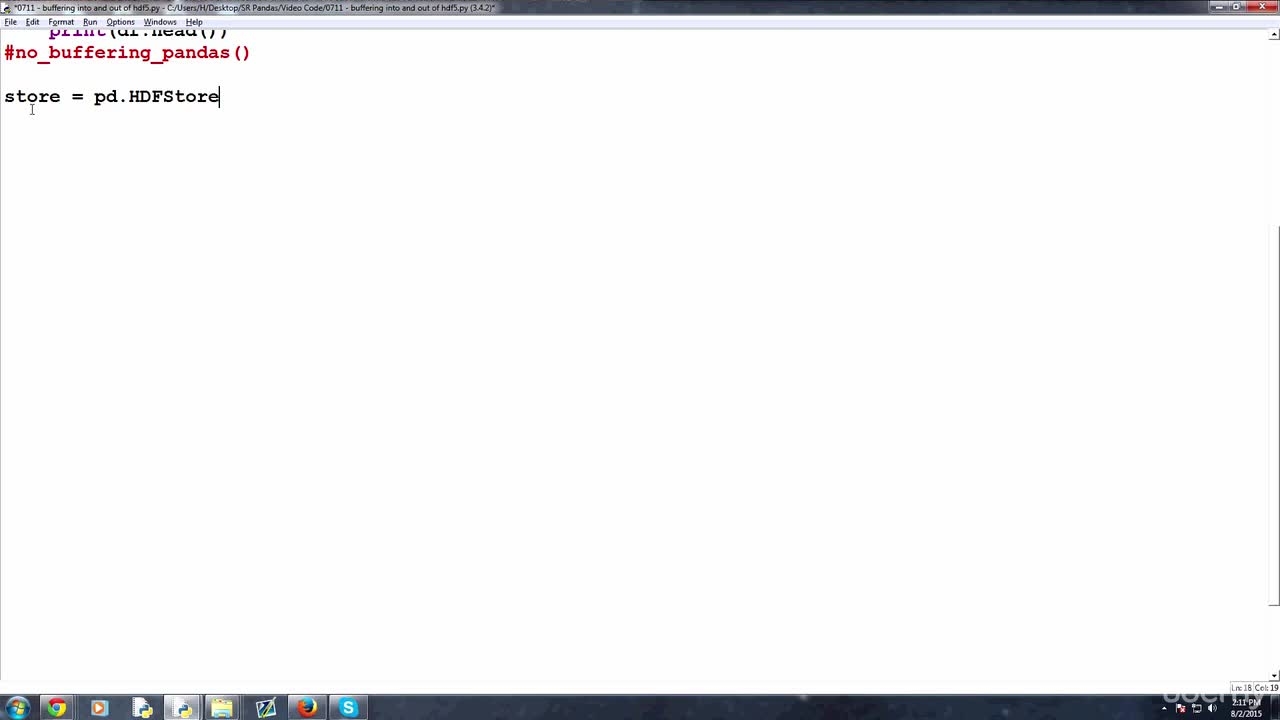 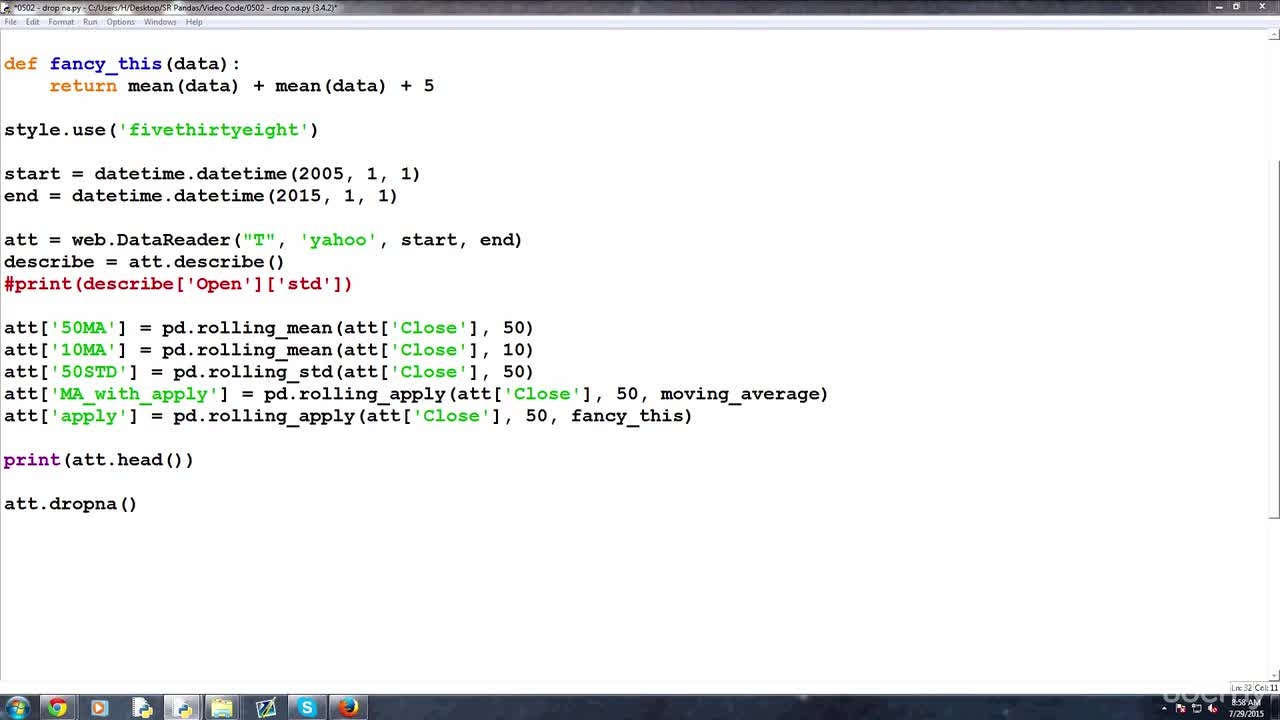   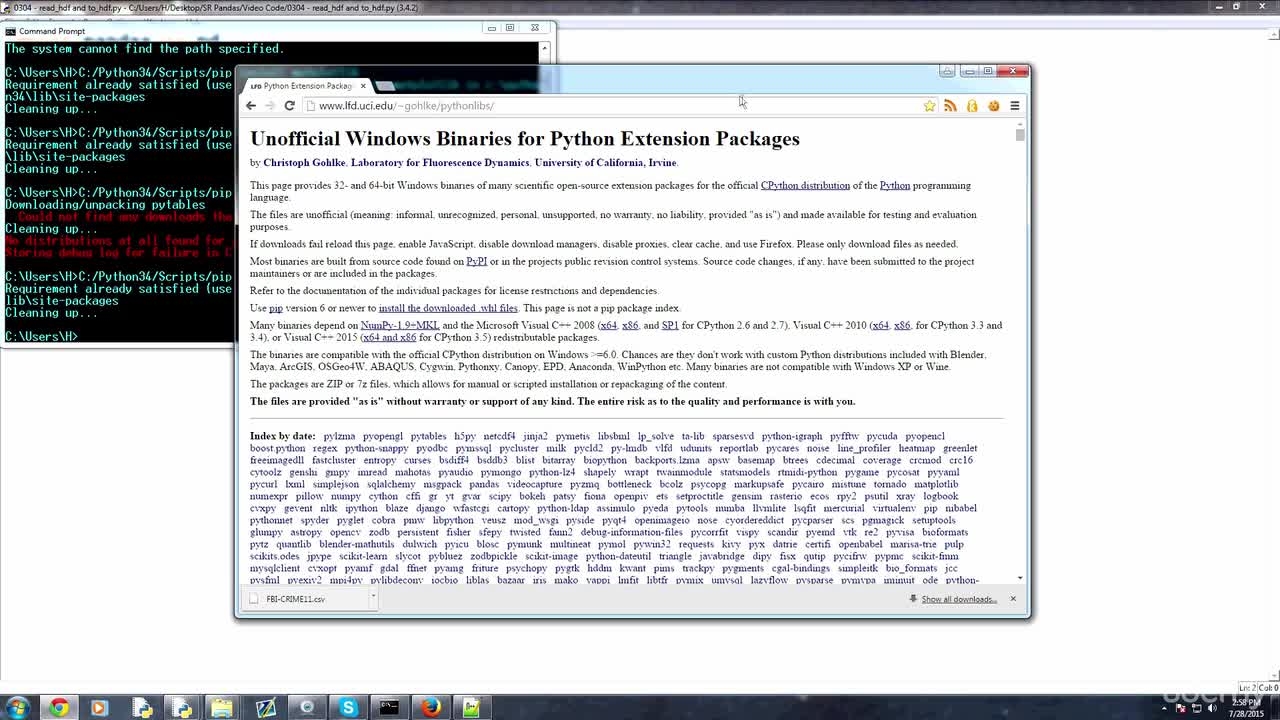    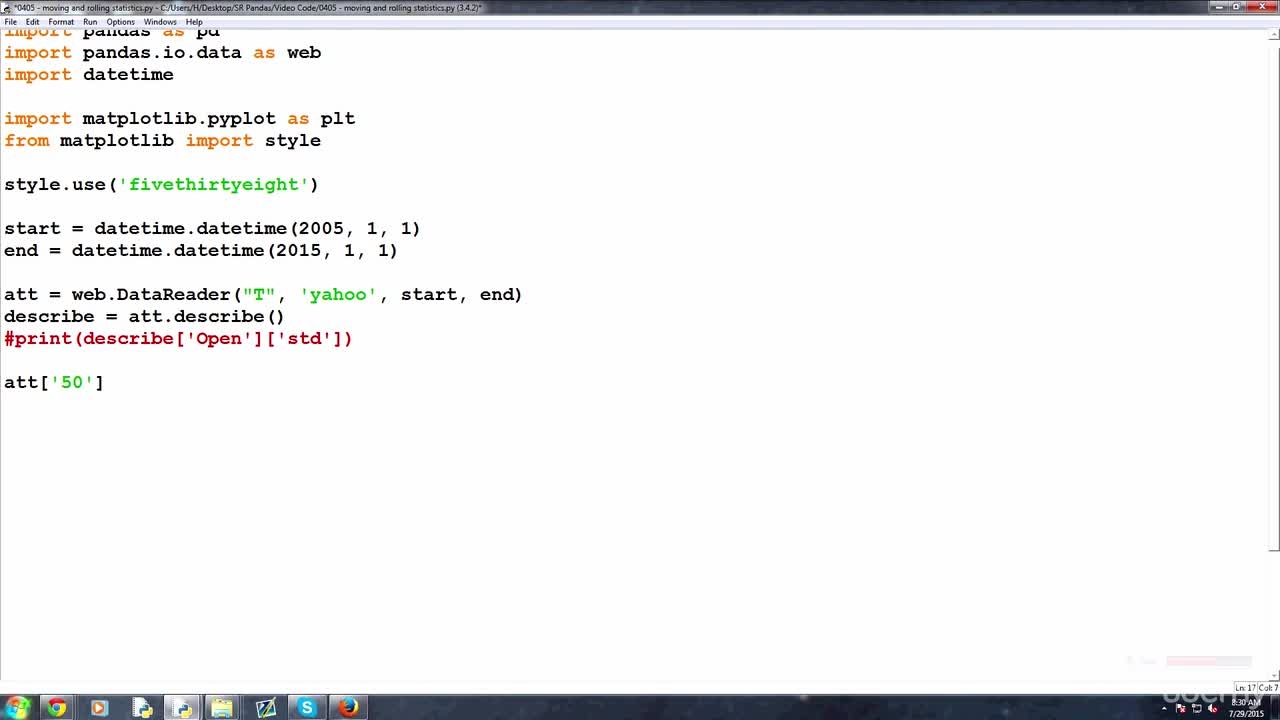 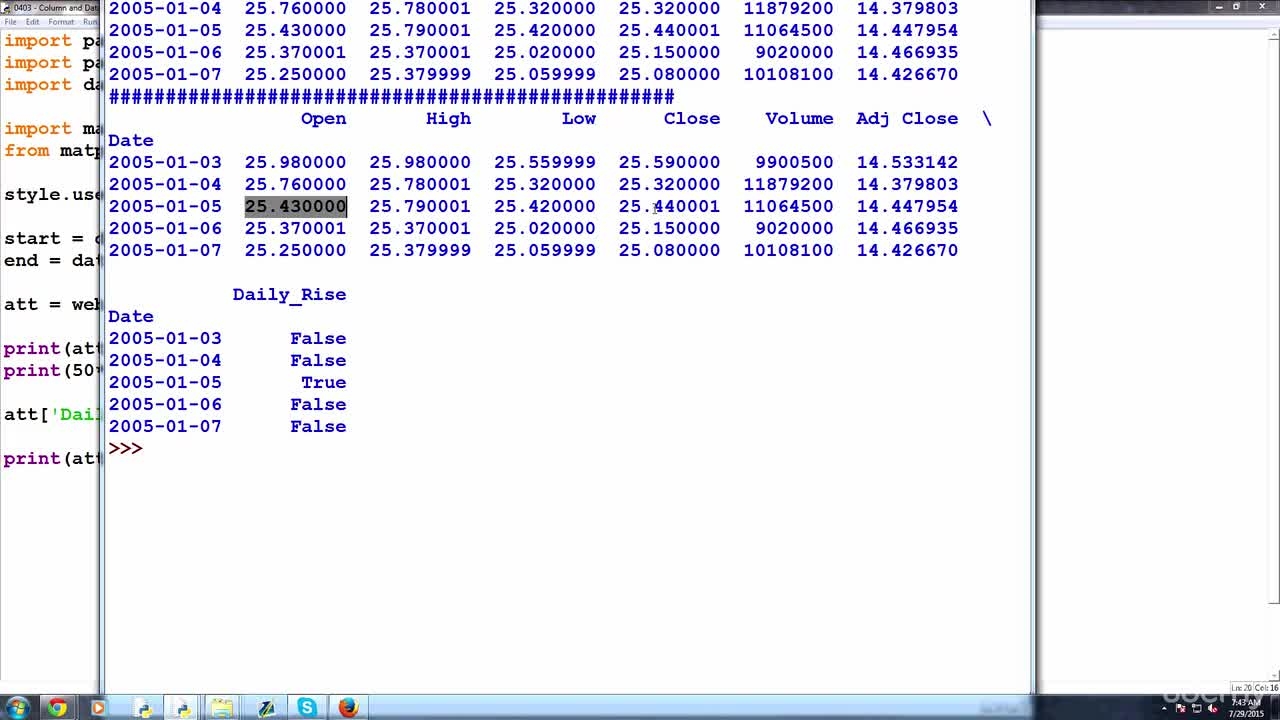 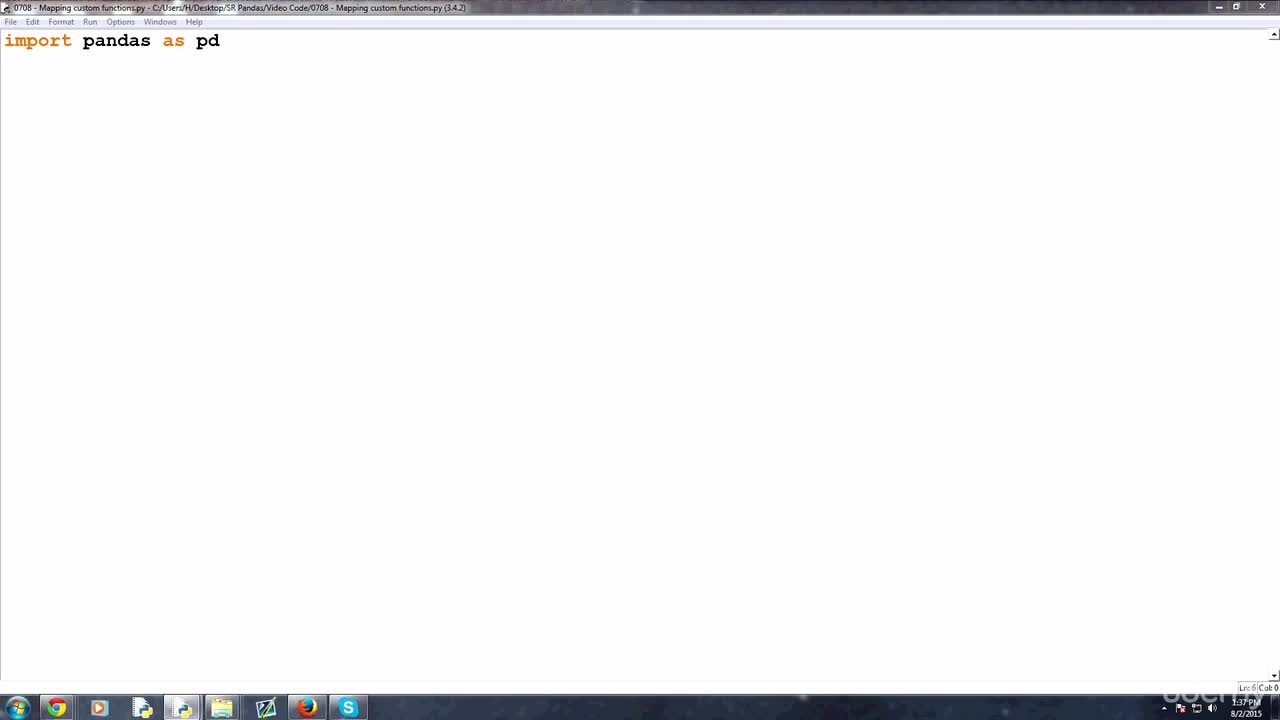 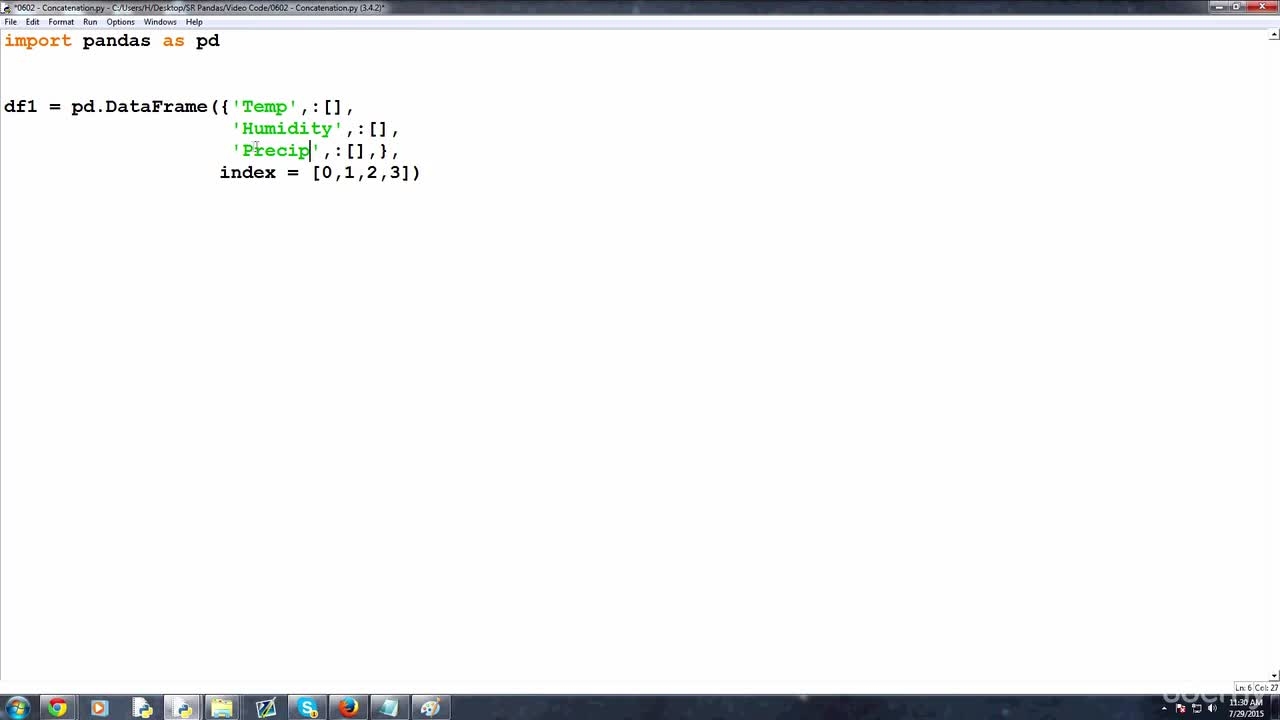 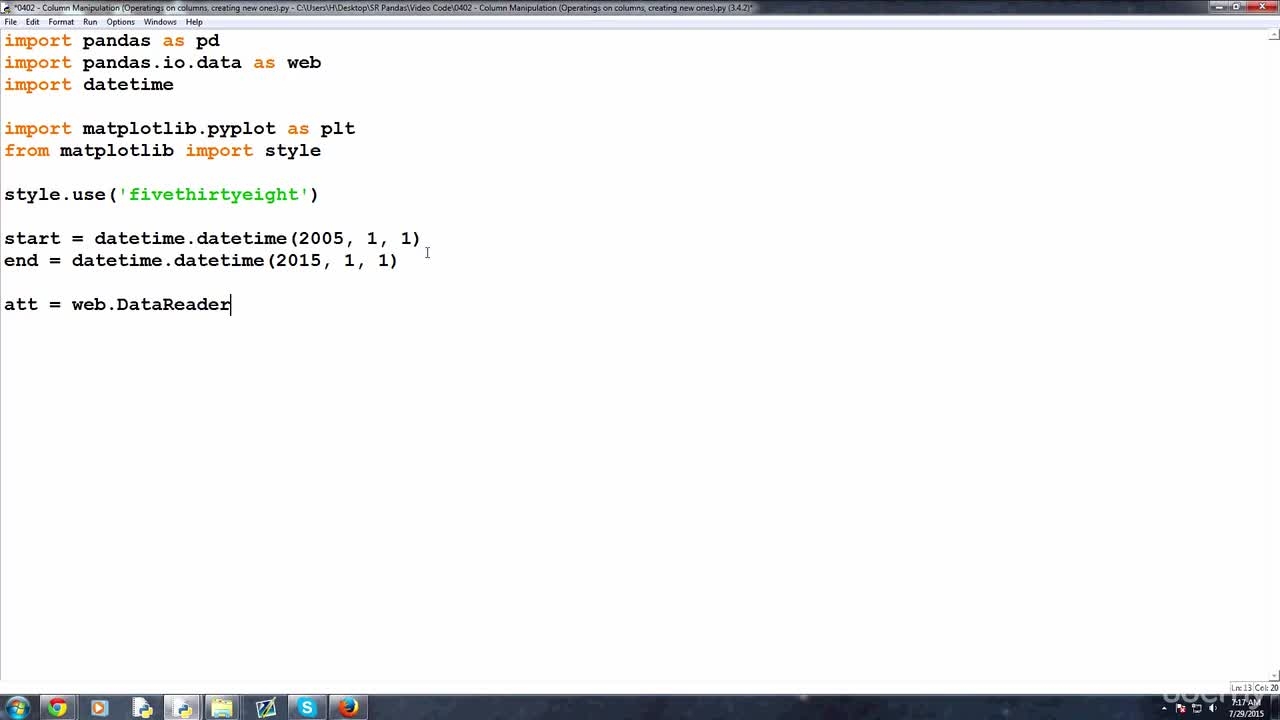   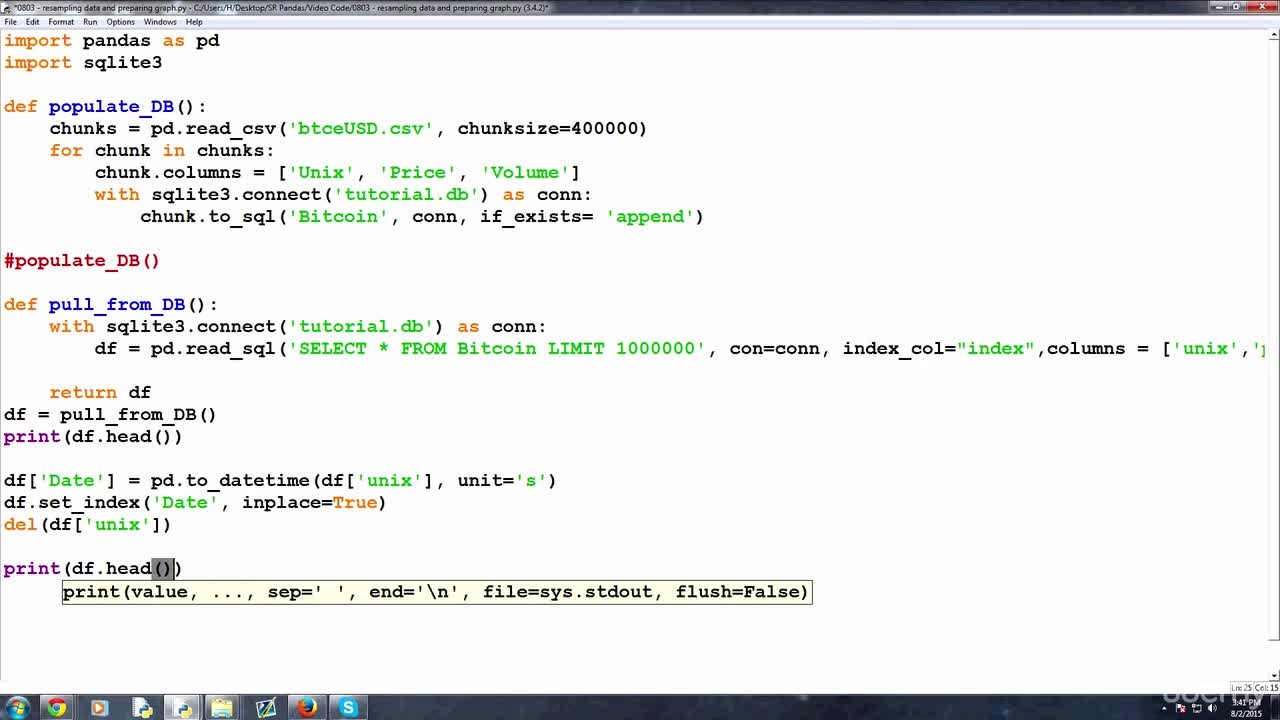 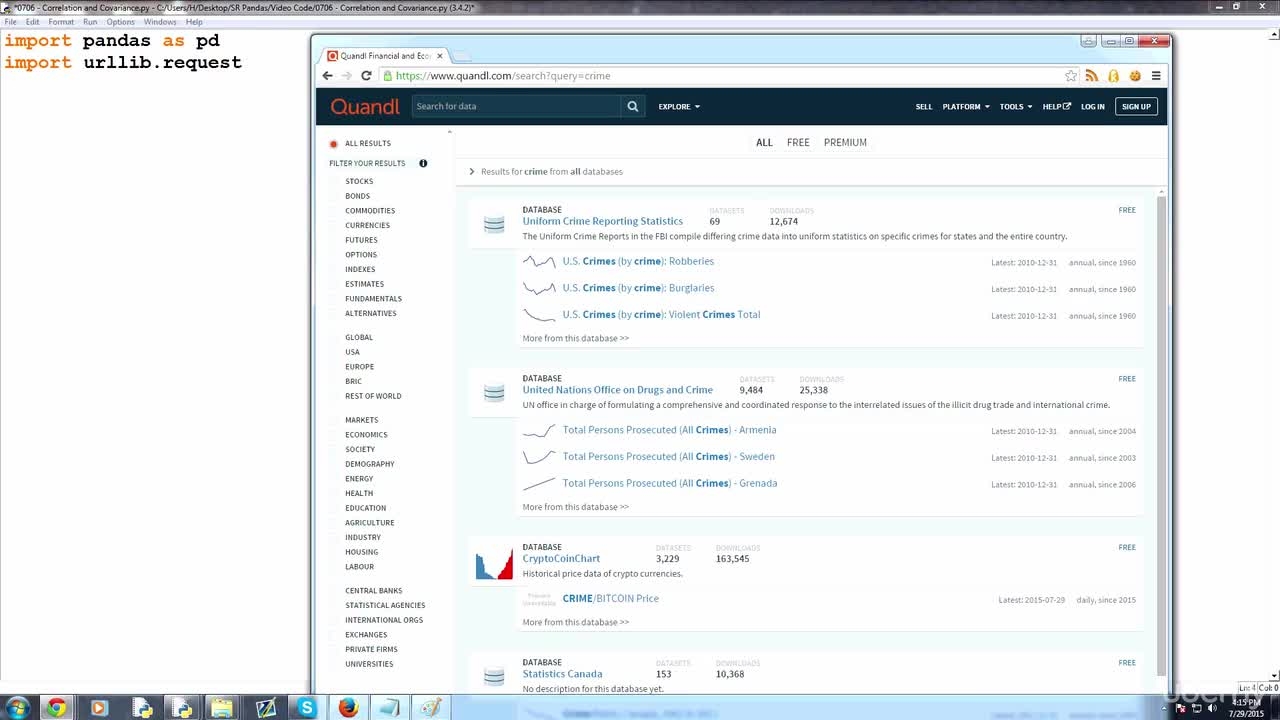  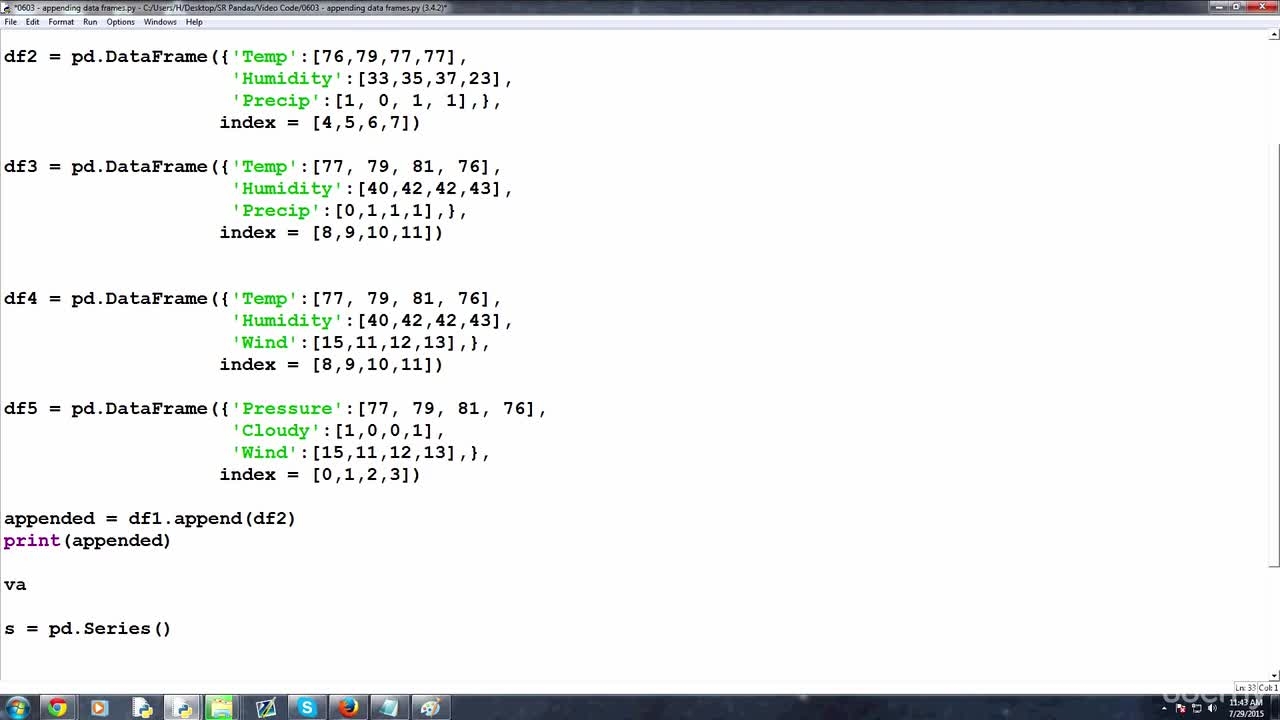 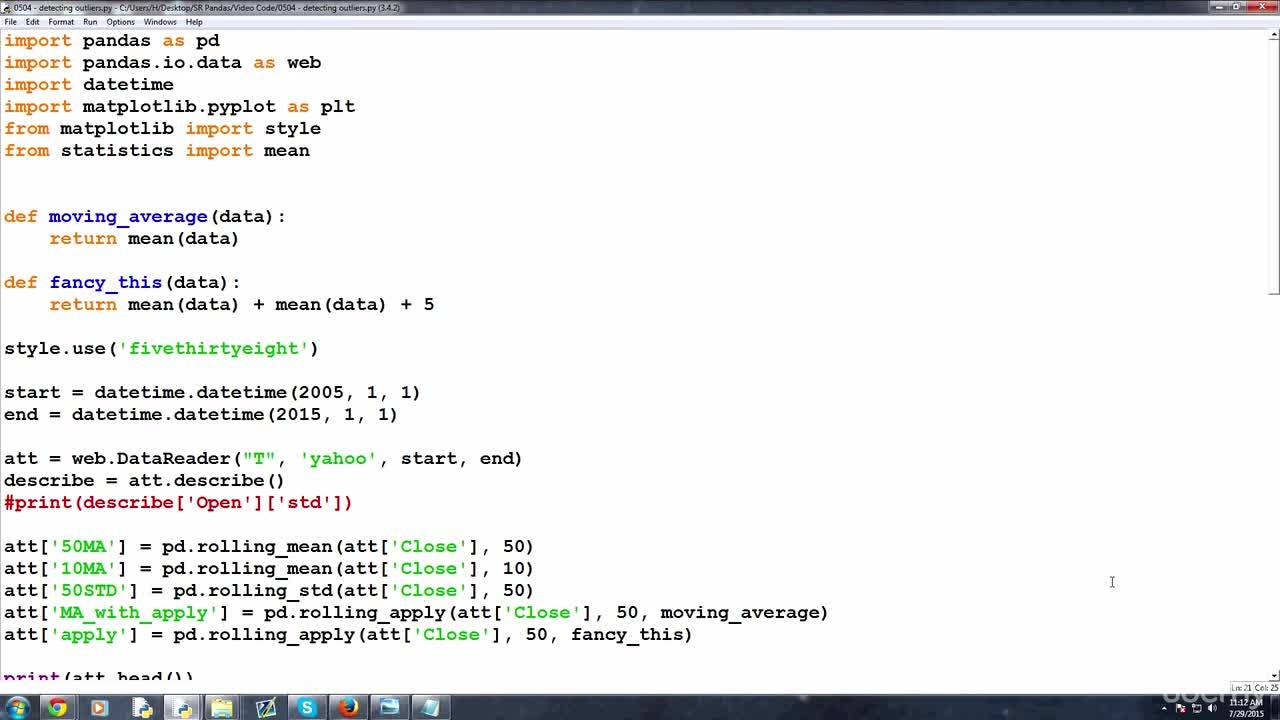 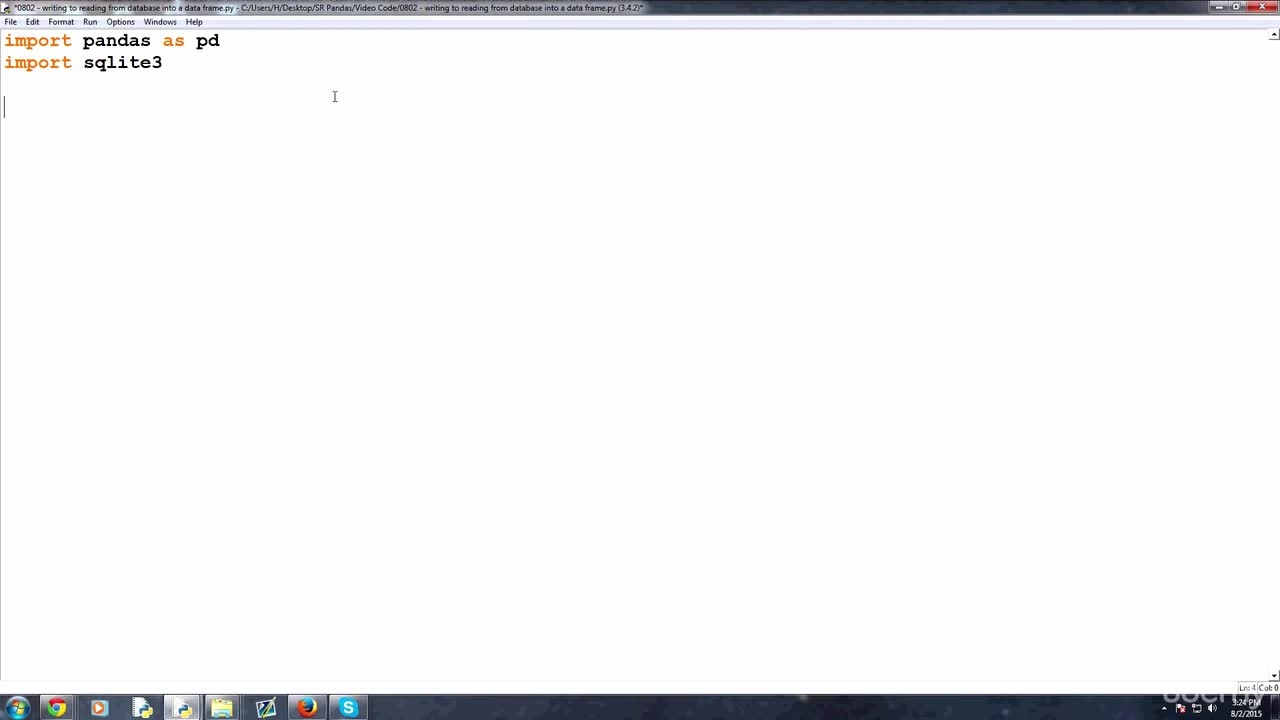  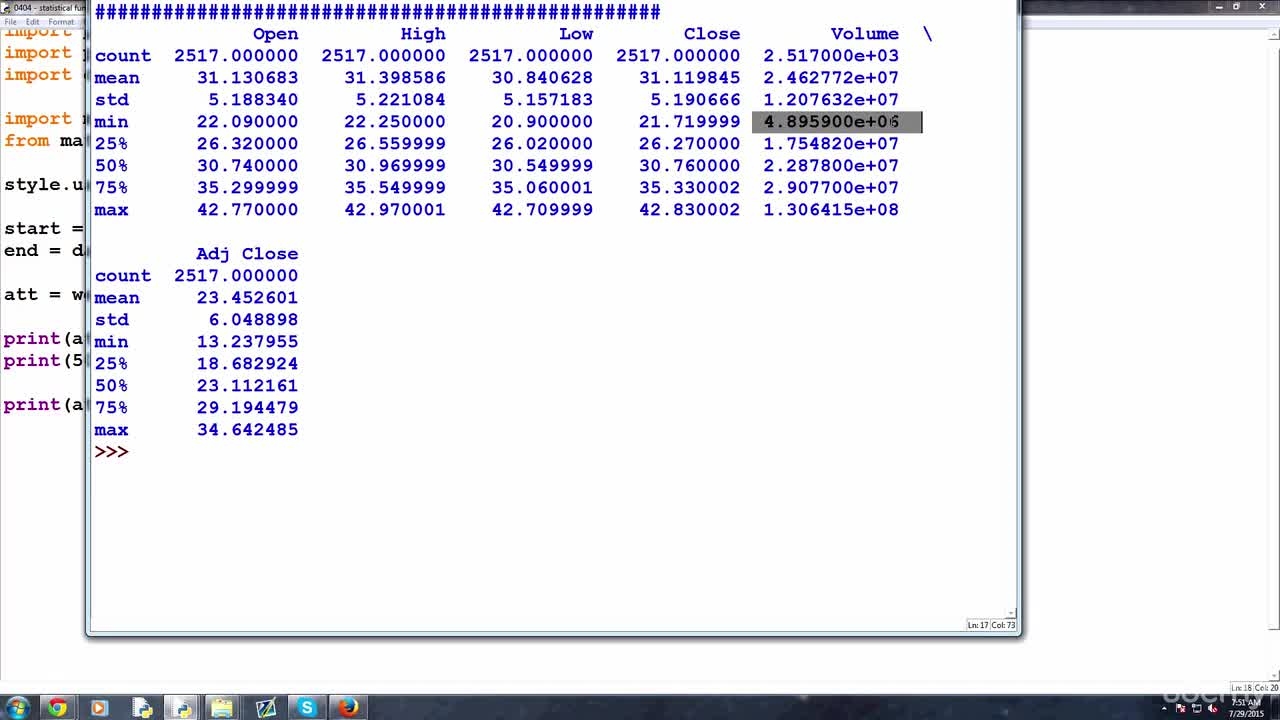 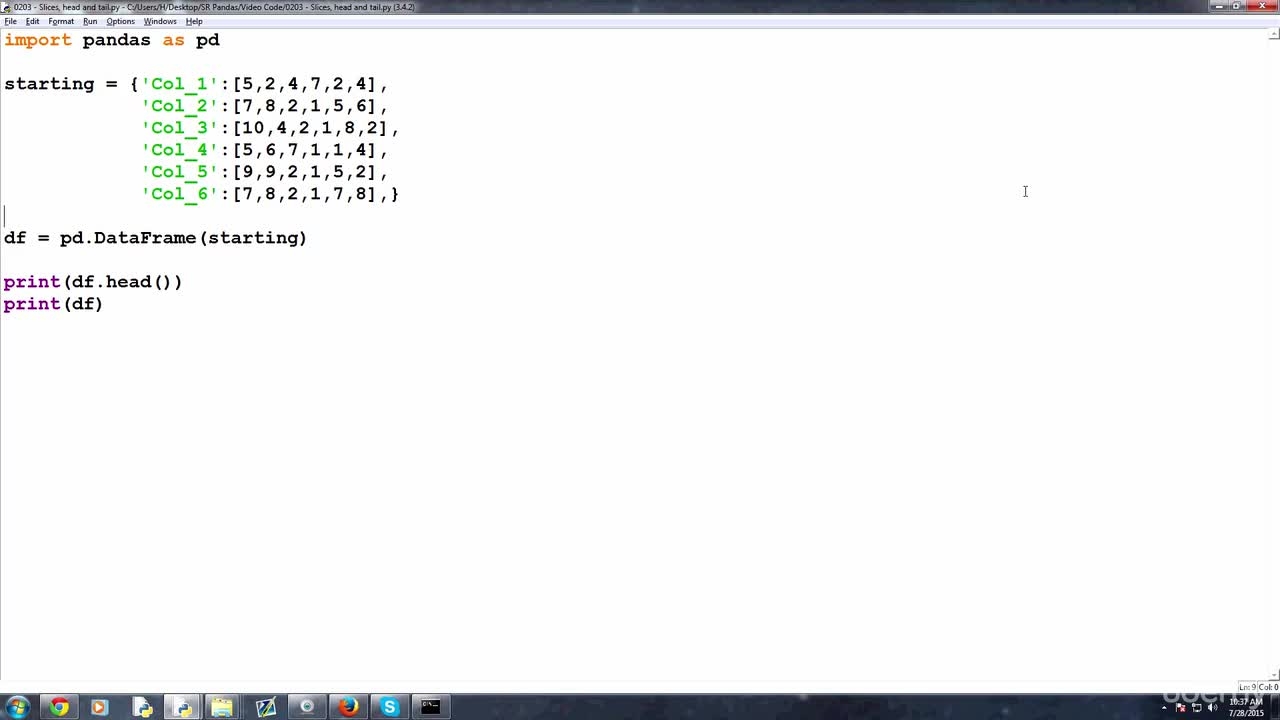 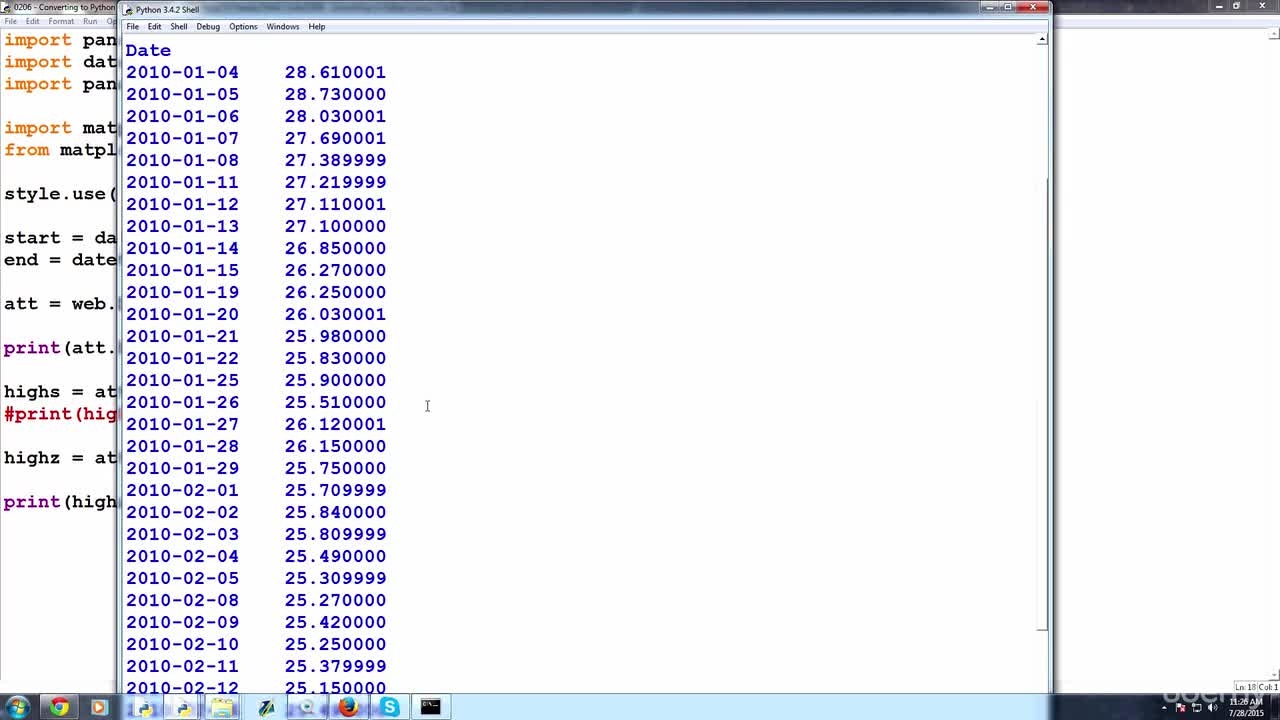 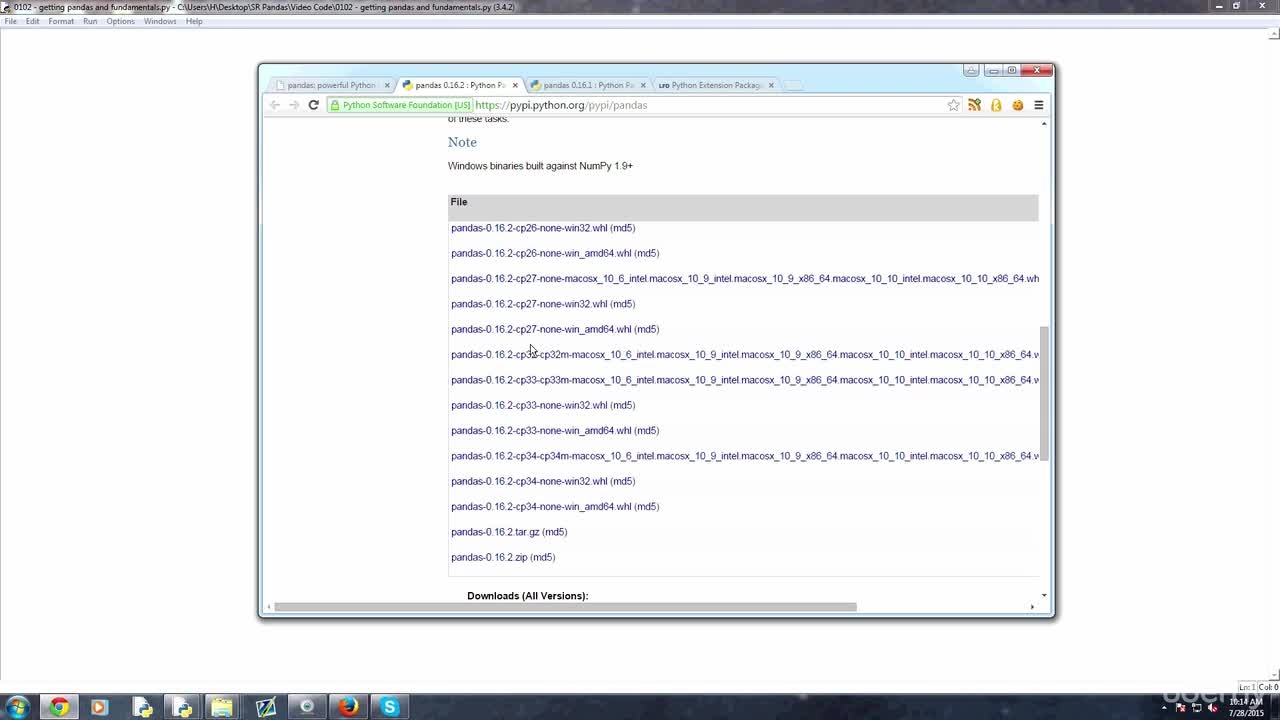   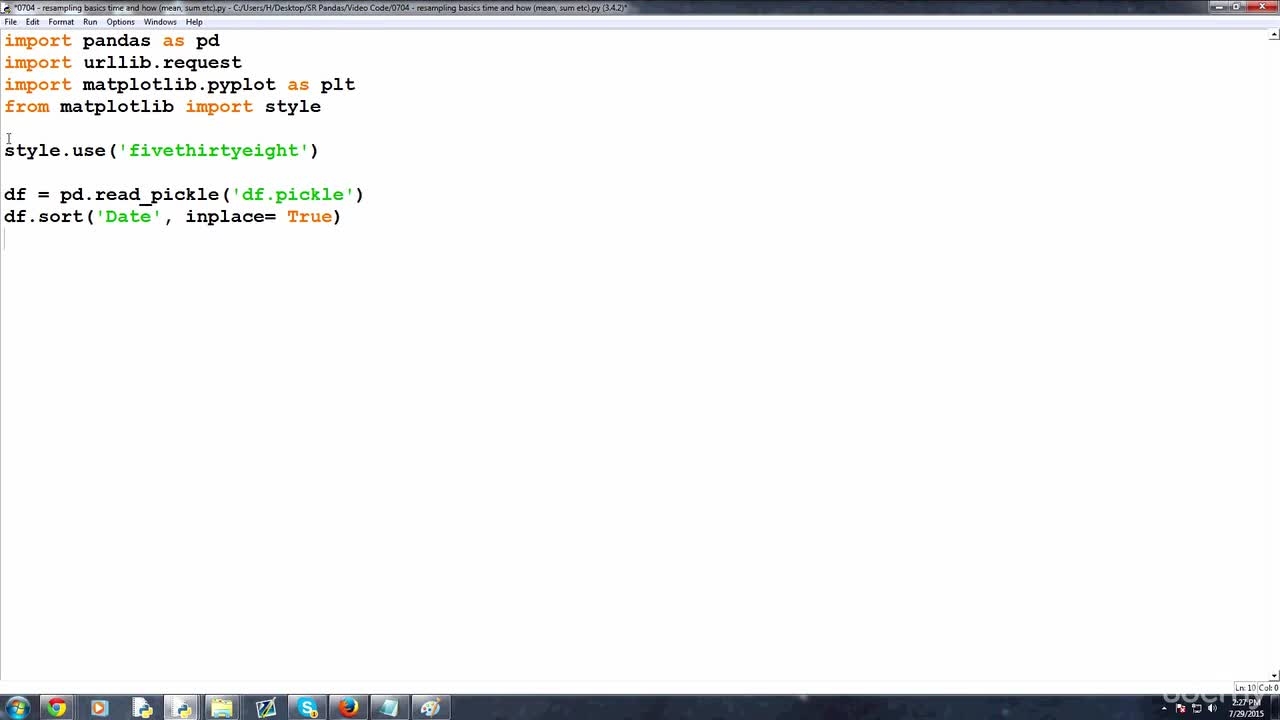    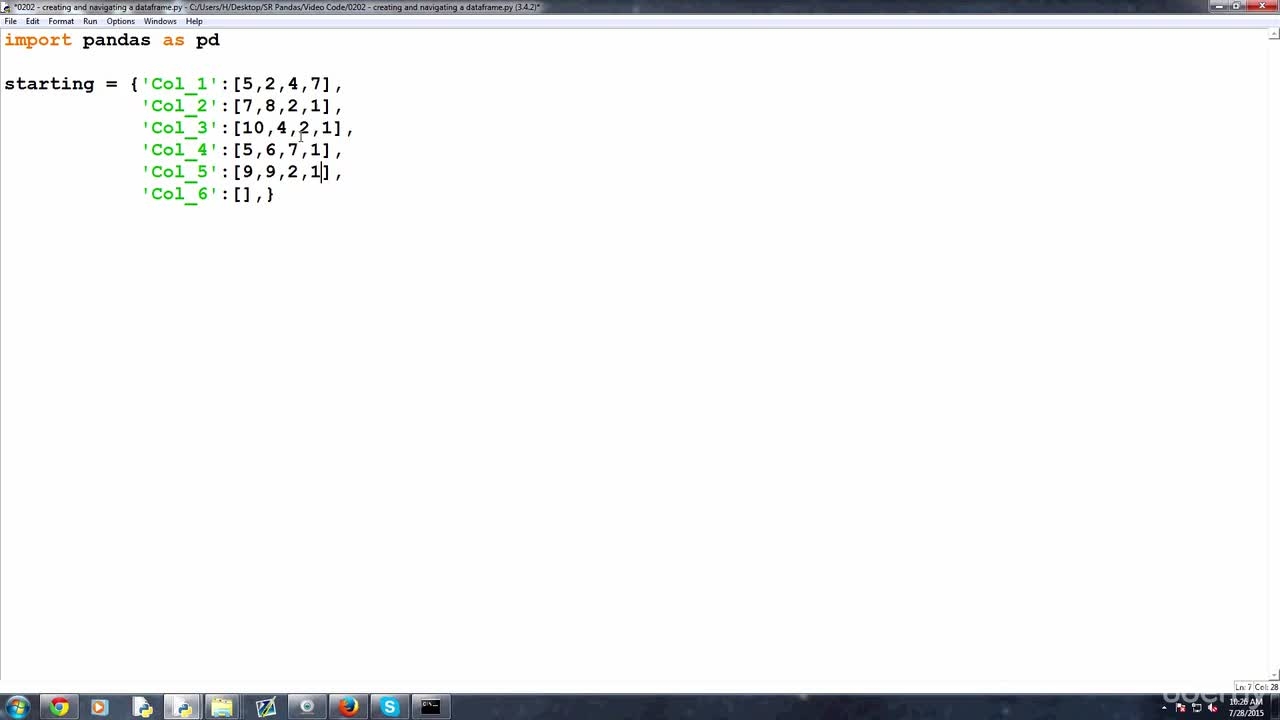 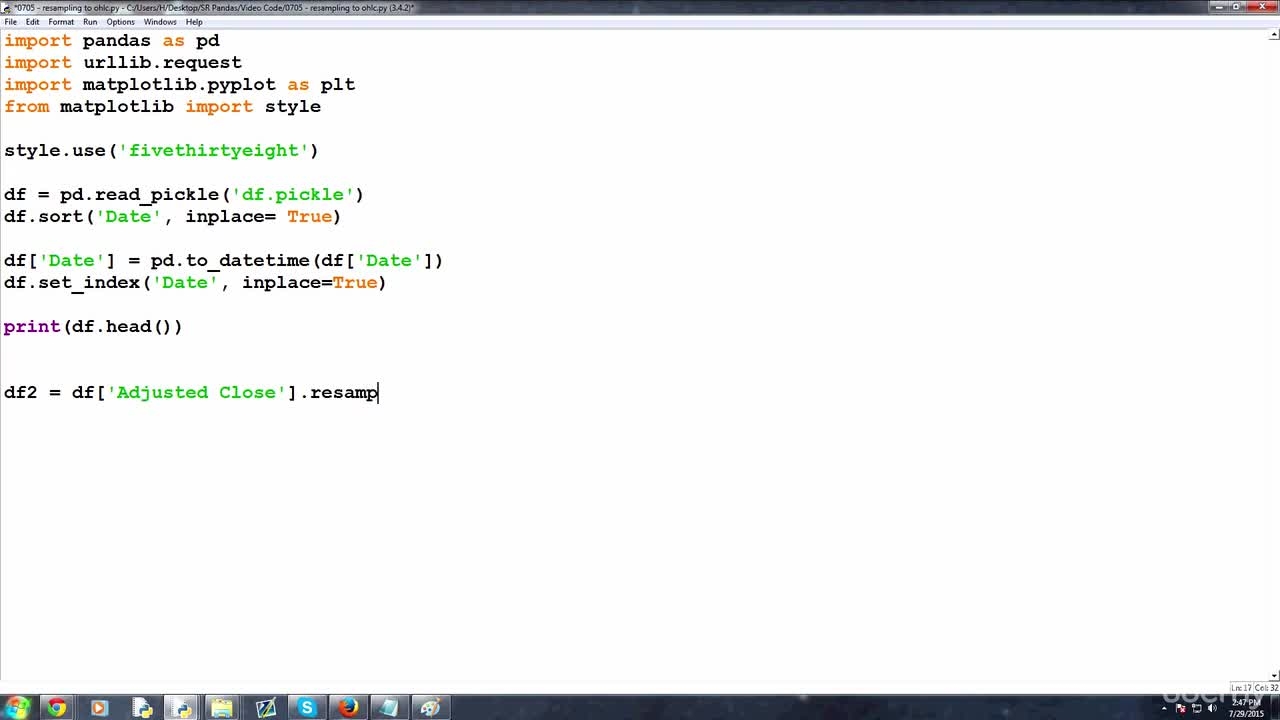   [/spoiler]
Related Torrents
|
|||||||||||||||||||||||||||||||||||||||||||||||||||||||||||||||||||||||||



Home - Browse Torrents
ExtraTorrent.st is in compliance with copyrights
2025 ExtraTorrent.st